
Published 2 July 2026 · Sash Window Draught Proofing
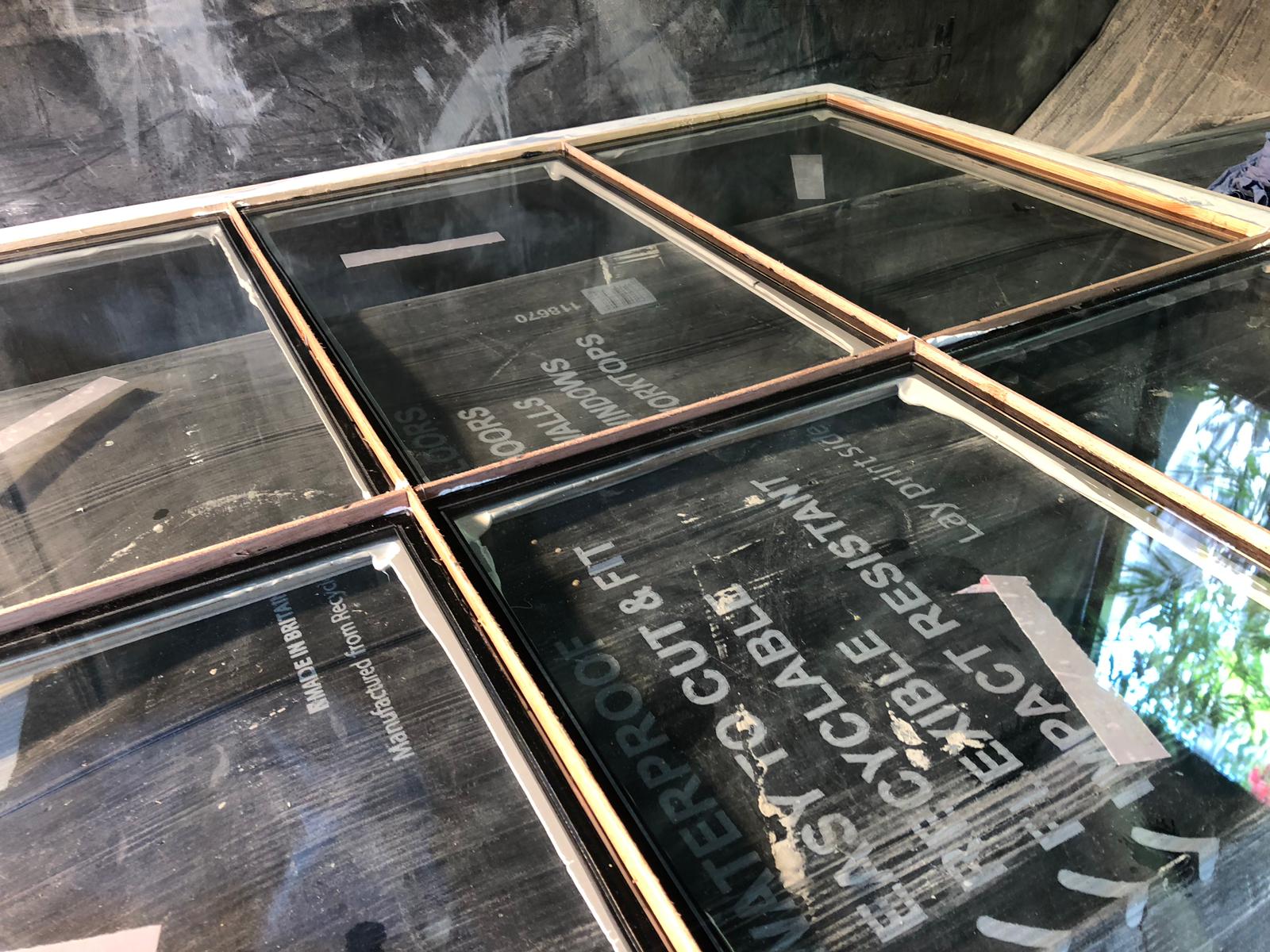
If you are researching sash window soundproofing cost, the two most practical retrofit options are professional draught proofing and secondary glazing.
| Solution | Typical cost per window | Best suited to |
|---|---|---|
| Sash window draught proofing | £150–£300 | Cold draughts, rattling, modest noise reduction and improved comfort |
| Secondary glazing for sash windows | £400–£800 | Significant traffic noise, better thermal efficiency and listed properties |
| Acoustic secondary glazing with 10.8mm laminated glass | Usually toward the upper end of the £400–£800 range | Busy roads, railways, aircraft noise and high acoustic requirements |
These are budgeting ranges rather than fixed prices. The final quotation depends on window size, condition, access, glass specification and the number of windows being treated.
Sash window soundproofing cost: the two main options
Option 1: Draught proofing : £150–£300 per window
Professional draught proofing involves fitting discreet seals to the meeting rails, staff beads, parting beads and other air leakage points. The work improves the seal while allowing the sashes to continue operating normally.
It is the most cost-effective first step when the primary problem is cold air infiltration rather than severe external noise.
Draught proofing can provide:
- Lower heat loss through gaps around the sashes
- Improved thermal efficiency for sash windows
- Reduced window rattle and wind noise
- A quieter interior, typically by a modest 3–7 dB
- Better comfort without changing the appearance of the glass
- Continued use of the original timber and period features
Draught proofing cannot block noise passing directly through single glazing. It is therefore unlikely to be sufficient on its own for properties facing a busy road, railway or flight path.
For more detail, see our guides to the cost of sash window draught proofing and complete draught elimination.
Option 2: Secondary glazing : £400–£800 per window
Secondary glazing adds a separate, independently framed glazed panel to the inside of the existing sash window. The original window remains in place, while the new pane creates a sealed air cavity.
This arrangement is particularly effective acoustically because performance depends on several factors working together:
- The weight and thickness of the secondary pane
- The difference between the two glass panes
- The depth of the air gap
- The quality of the perimeter seals
- The absence of gaps around the reveal, frame or vents
Secondary glazing can also reduce heat loss substantially. Our secondary glazing for sash windows service is designed for period properties, listed buildings and homes in Conservation Areas where replacing the original windows may be inappropriate.
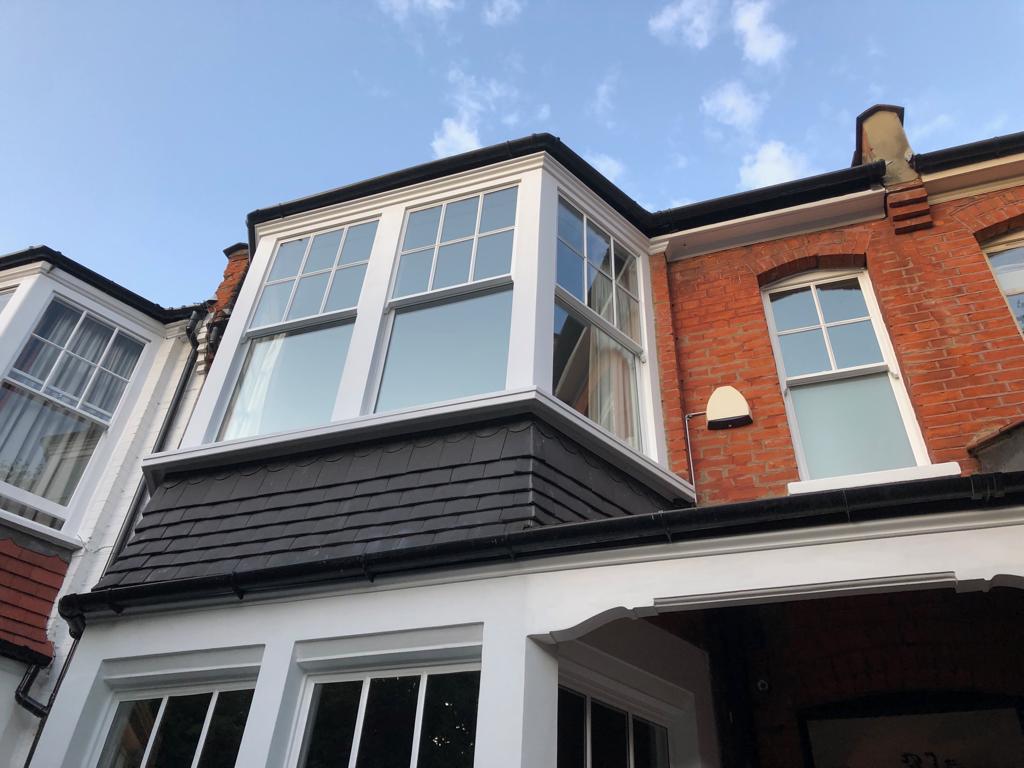
Acoustic glass options: from 4mm to 10.8mm
The glass specification has a direct effect on both cost and acoustic performance. However, thicker glass is not automatically better. The cavity, frame design and installation quality are equally important.
4mm glass
A 4mm pane is generally the entry-level option for secondary glazing. It can improve thermal performance and reduce some external noise, especially when the original sash is properly sealed.
Choose 4mm glass if:
- Your main priority is draught reduction and thermal comfort
- External noise is noticeable but not severe
- You want to remain near the lower end of the secondary glazing budget
- The existing window is already in reasonable condition
6mm to 6.4mm glass
A thicker pane provides greater mass and can offer better acoustic performance than basic 4mm glass. It is a practical middle-ground specification for general urban traffic noise.
Choose this range if:
- You live on a moderately busy London street
- You want a balance between cost, visibility and performance
- You need more than draught proofing can provide
- Bedrooms or living rooms require a noticeable reduction in background noise
10.8mm Stadip Silence-type acoustic laminated glass
For demanding noise problems, 10.8mm acoustic laminated glass is usually the premium choice. It incorporates an acoustic PVB interlayer designed to reduce sound transmission across the pane.
Depending on the system design, air-gap depth and installation, this specification can support reductions of approximately 45–50 dB or more. Published performance figures must be treated carefully because laboratory glass ratings are not the same as the result achieved by a complete window installation.
Choose 10.8mm acoustic glass if:
- The property faces a main road or dual carriageway
- Traffic, rail or aircraft noise is affecting sleep
- The window is in Chelsea, Kensington, Westminster or another dense urban location
- You want the highest acoustic performance available without removing the original sash
- Thermal and acoustic performance are both important
Acoustic glass with deeper cavities will usually sit toward the upper end of the £400–£800 per-window range.
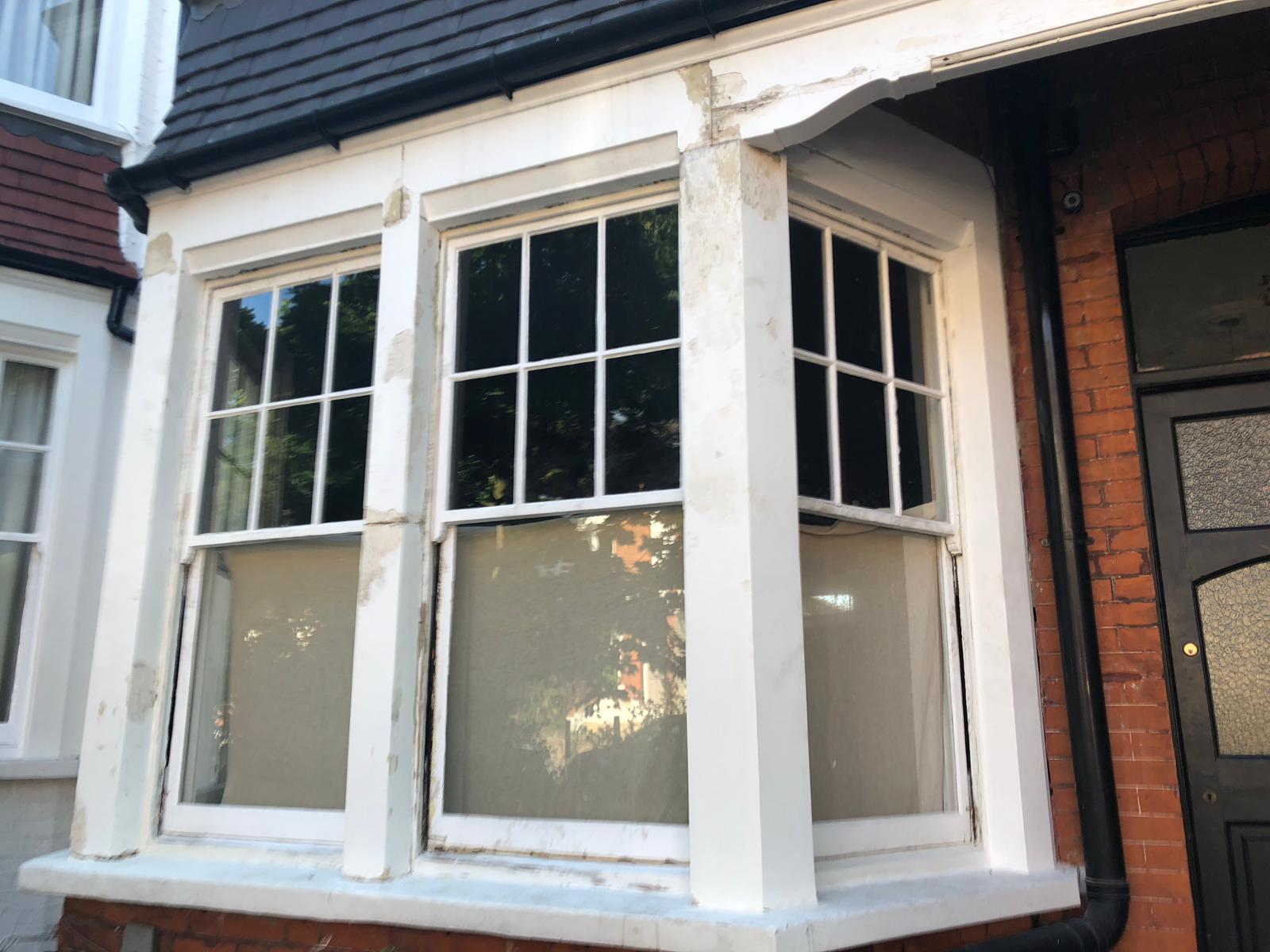
Understanding dB, Rw and STC ratings
Soundproofing quotations can use several different measurements.
Decibels : dB
A decibel is a logarithmic measurement of sound level. A reduction of 3 dB is measurable, although it may be experienced as a relatively small change. A reduction of around 10 dB is commonly perceived as approximately half as loud.
For example, reducing traffic noise from 60 dB outside the window to 50 dB inside represents a significant improvement in acoustic comfort. It does not mean that every sound will disappear.
Rw
In the UK and Europe, window manufacturers commonly use Rw, the weighted sound reduction index. It indicates how effectively a building element reduces airborne sound under standardised laboratory conditions.
STC
STC, or Sound Transmission Class, is a broadly comparable rating used mainly in North America. UK quotations may not use STC, so do not compare an STC rating directly with an Rw figure without checking the test method.
When reviewing a quotation, ask whether the stated rating relates to:
- The glass alone
- The secondary glazing unit
- The complete window assembly
- Laboratory testing or an on-site measurement
The complete installed system is the most relevant figure for your home.
What affects the final price?
The headline sash window soundproofing cost can change for several reasons.
Window size and design
Large Georgian sashes, bay windows and unusually shaped openings require more glass, larger frames and additional installation time. A standard two-over-two Victorian sash is generally less expensive than a tall or multi-section window.
Existing window condition
Rotten timber, broken cords, damaged pulleys and loose meeting rails should be repaired before acoustic treatment. Restoration, hardware refurbishment or sash cord replacement will be quoted separately where required.
Glass specification
Moving from basic 4mm glass to acoustic laminated glass increases material and handling costs. The frame may also need to be designed to accommodate heavier glazing.
Number of windows
Treating several windows at the same time may reduce the average installation cost because surveying, preparation and travel are consolidated. The correct saving depends on the property and access arrangements.
Listed building and Conservation Area requirements
Secondary glazing is installed internally and is fully reversible, which makes it suitable for many heritage properties. It often avoids the need for planning permission because there is no external alteration.
However, listed building consent, freeholder approval or estate approval may still be relevant. This should be confirmed with the local authority, managing agent or conservation officer before work begins.
For local heritage considerations, homeowners may also find these area-specific guides useful:
- Secondary glazing in Richmond, including properties affected by aircraft noise
- Secondary glazing in Wandsworth, where rail and road noise are common concerns
- Secondary glazing in Westminster, where listed-building requirements can be particularly strict
- Secondary glazing in Hammersmith and Fulham, including properties near the A4 and Hammersmith flyover
- This Richmond and Twickenham secondary glazing guide
- Secondary glazing for Kensington and Chelsea properties
- Secondary glazing installation in Mayfair
- Kensington secondary glazing information
- This Chelsea secondary glazing guide
Which option offers the best return on investment?
Choose draught proofing if:
- Your budget is £150–£300 per window
- Cold draughts are the principal problem
- You want minimal visual impact
- The windows are structurally sound
- You need a quick improvement in comfort and thermal efficiency
A straightforward installation may offer a short payback period through reduced heating demand. The actual return depends on room size, heating habits, energy prices and the condition of the existing windows.
Choose secondary glazing if:
- You can invest £400–£800 per window
- External noise is affecting sleep or everyday use
- You want a substantial improvement in thermal efficiency
- The original sash windows must be retained
- The property is listed or located in a Conservation Area
Secondary glazing can reduce heat loss by up to 70% in suitable installations, but this is not the same as a guaranteed 70% reduction in energy bills. Whole-property savings depend on walls, roofs, floors, ventilation and heating controls.
Choose both if:
- The sash windows are draughty and noise is a serious issue
- You want the best overall performance
- You are upgrading bedrooms or street-facing rooms first
- The original windows require preparation before secondary glazing is installed
In many period properties, draught proofing the original sash first and adding acoustic secondary glazing in priority rooms provides the most balanced return on investment.
A simple budgeting example
For four standard sash windows:
- Draught proofing: £600–£1,200
- Secondary glazing: £1,600–£3,200
- Combined approach: normally assessed after inspecting window condition and selecting glazing specifications
These figures exclude unusual restoration, difficult access, specialist decoration, estate requirements and any applicable consent or professional fees.
The next step is a window-by-window survey. It should identify the source of the noise, measure the openings, assess the timber and recommend an appropriate glass and cavity specification. You can also compare the options in our guide to secondary glazing versus draught proofing, or review our advice on thermal efficiency for sash windows.
For a transparent quotation based on your property, contact Sash Window Draught Proofing for a professional assessment.
Frequently asked questions
How much does sash window soundproofing cost?
Professional draught proofing costs approximately £150–£300 per window. Secondary glazing costs approximately £400–£800 per window, with acoustic laminated glass and deeper cavities usually toward the upper end.
Is secondary glazing better than draught proofing for noise?
Yes. Draught proofing reduces sound entering through gaps and can reduce rattling, but it cannot block sound travelling through the original single glass. Secondary glazing creates a sealed cavity and supports substantially greater noise reduction.
Is 10.8mm acoustic glass worth the additional cost?
It can be worthwhile where noise is severe, particularly from major roads, railways or aircraft. It is not necessary for every window. A survey should establish whether the problem justifies the premium specification.
Will secondary glazing damage original sash windows?
A properly designed system is installed internally and can be reversible. It should preserve the original timber, period glass and architectural details, subject to suitable installation and maintenance.
Does soundproofing also improve thermal efficiency?
Yes. Draught proofing reduces uncontrolled air leakage, while secondary glazing adds an insulating air cavity. In suitable properties, secondary glazing can reduce heat loss by up to 70%, although actual household savings vary.